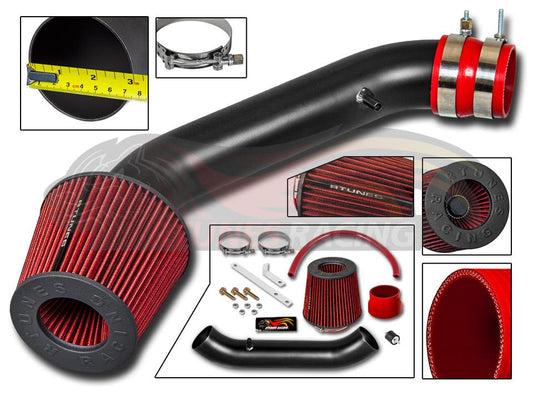
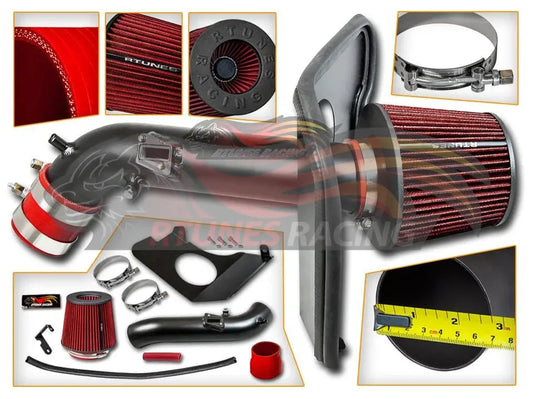
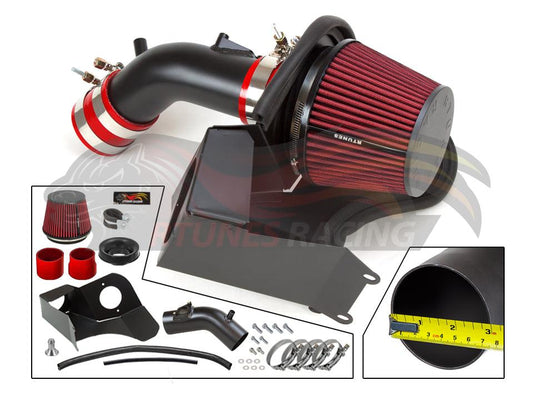
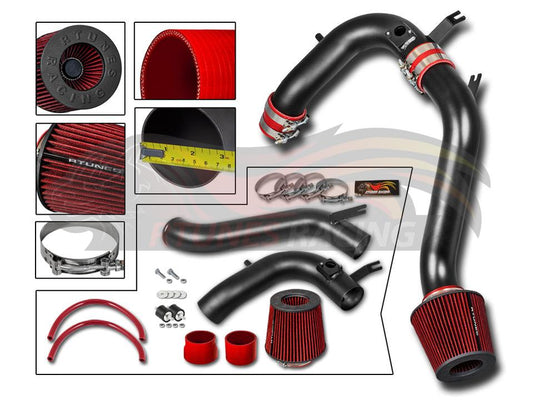
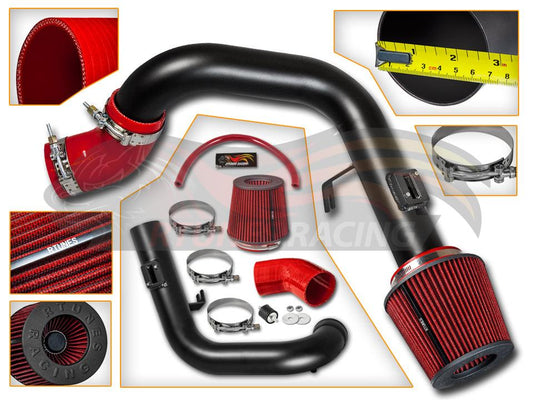
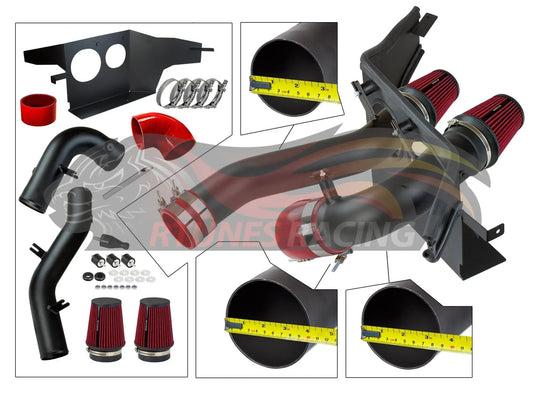
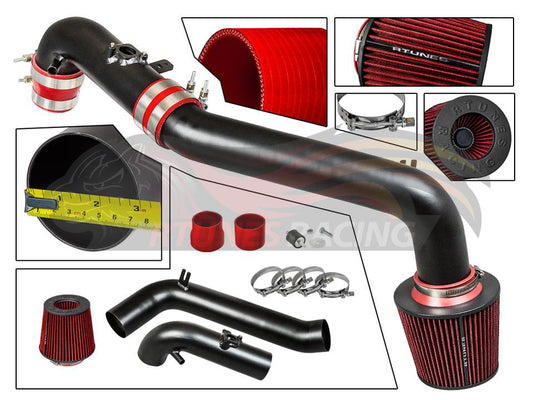
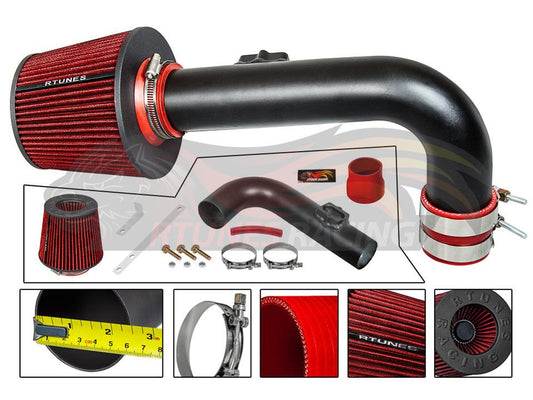
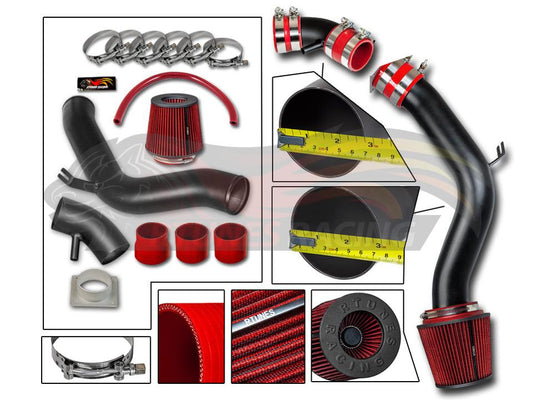
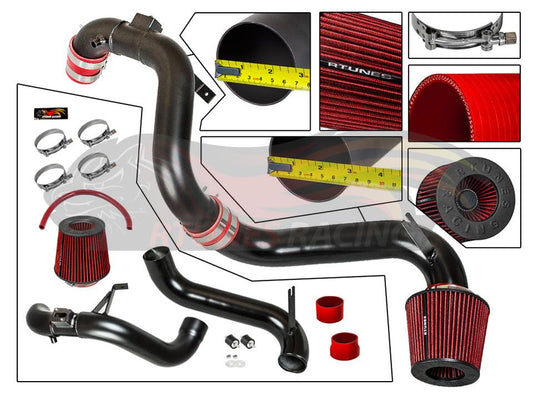
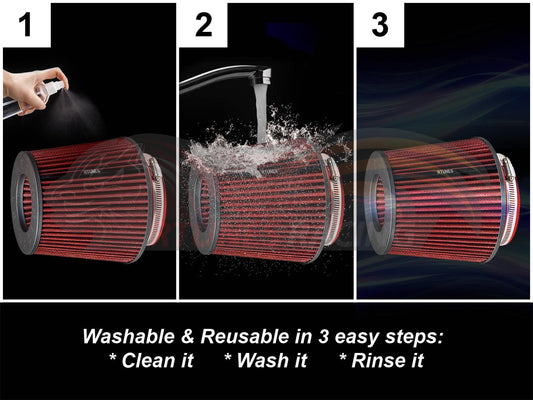
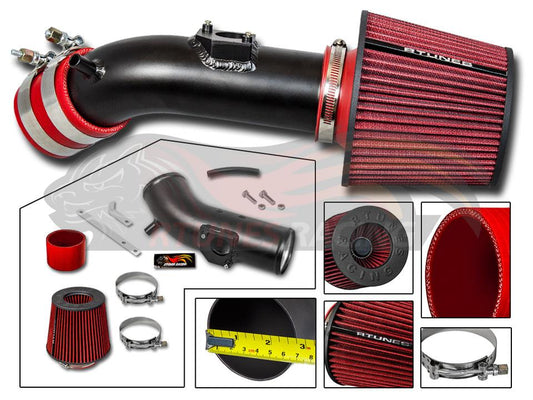
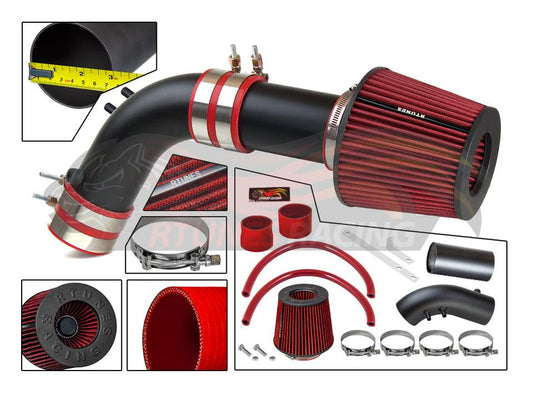
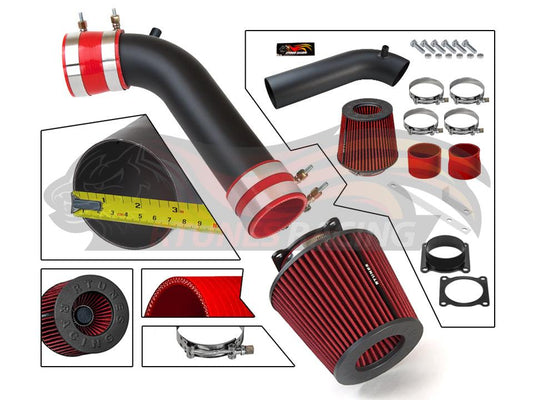
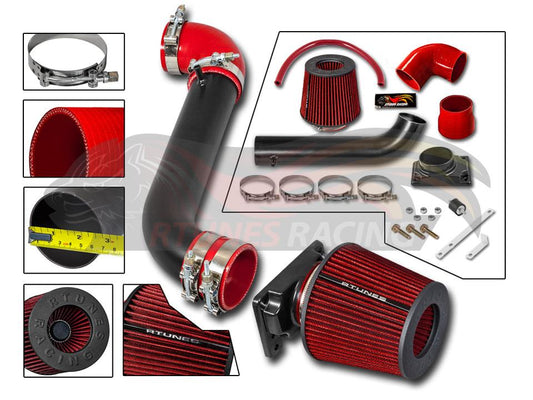
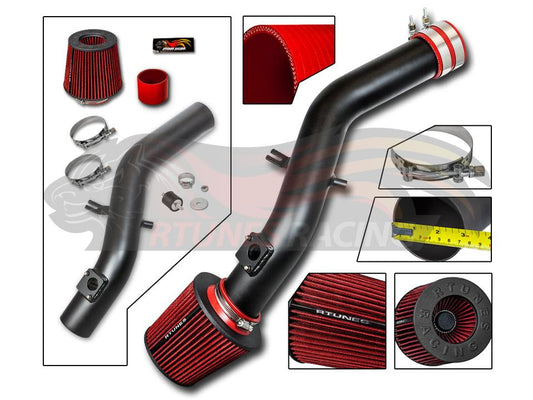
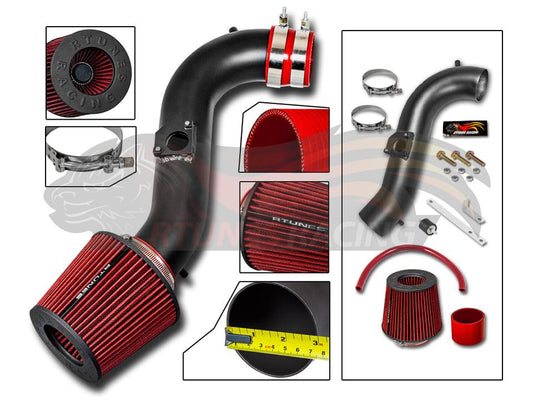
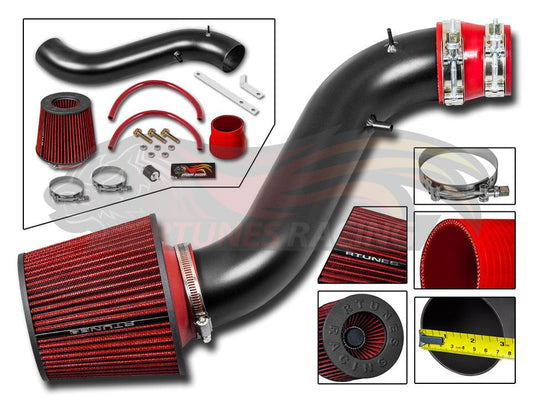
Choose Your Intake Style
Compare our three intake families, then shop the design that fits your vehicle and priorities.
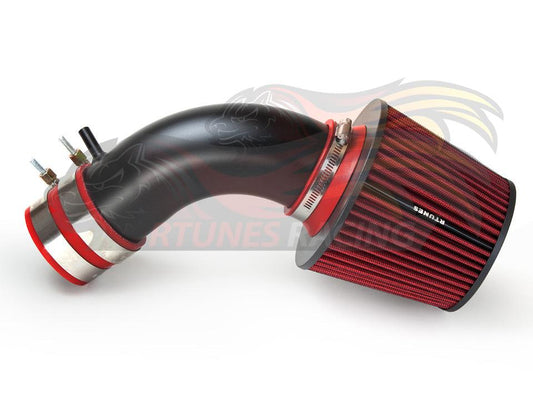
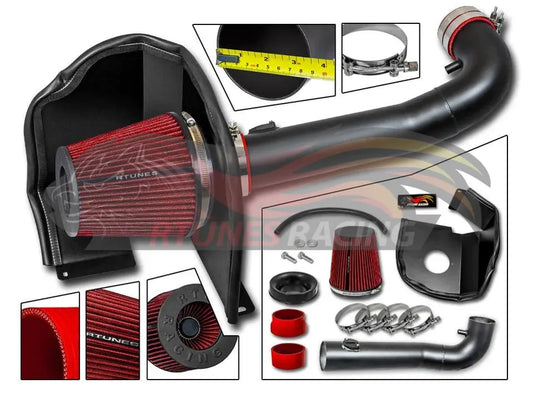
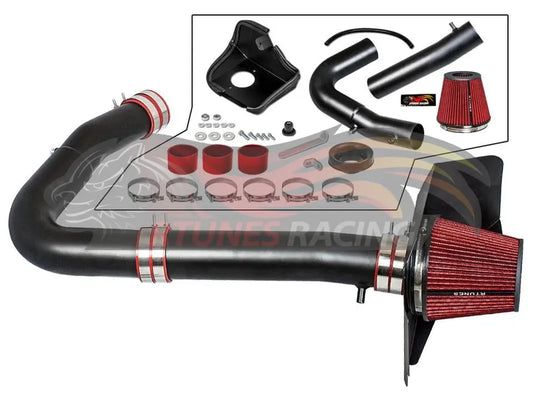
RHIHeat Shield Air Intake
A vehicle-specific heat shield helps separate the filter from direct engine-bay heat.
Learn More & Shop
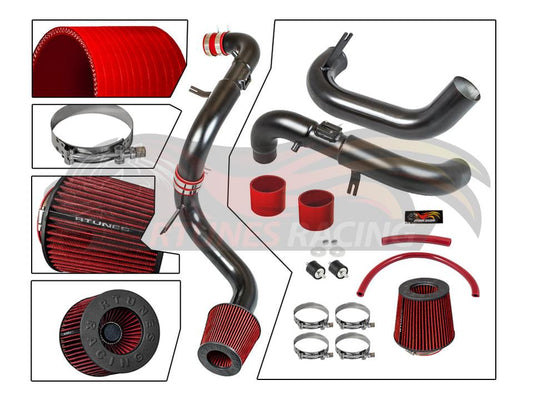
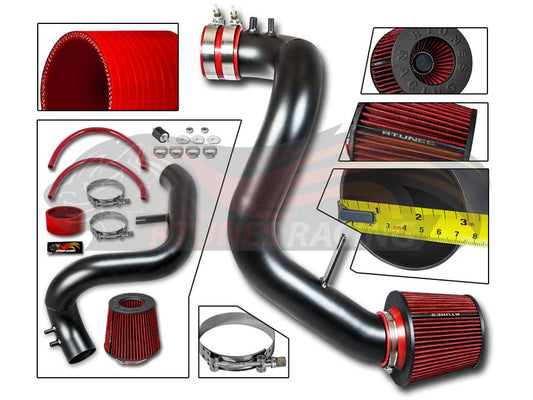
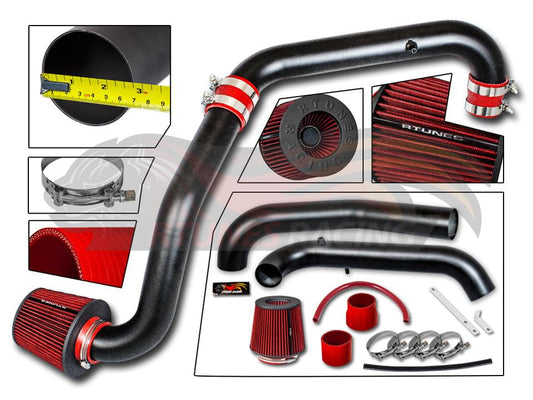
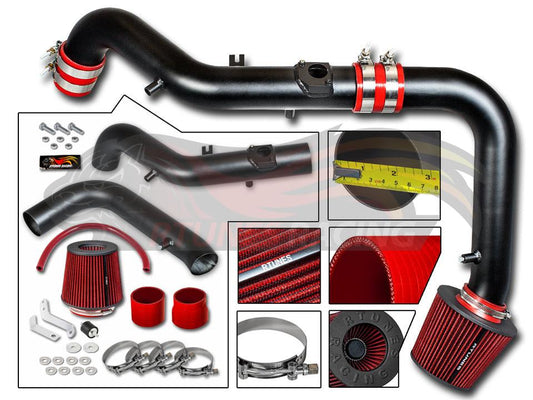
RCICold Air Intake
Longer piping places the filter farther from the engine for remote filter placement.
Learn More & Shop
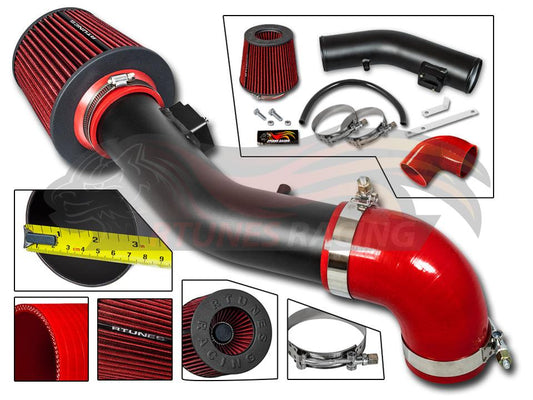
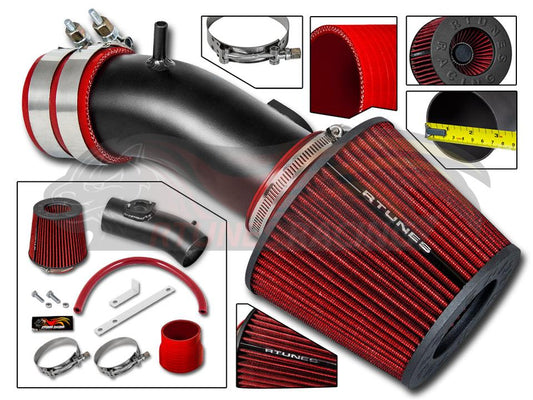
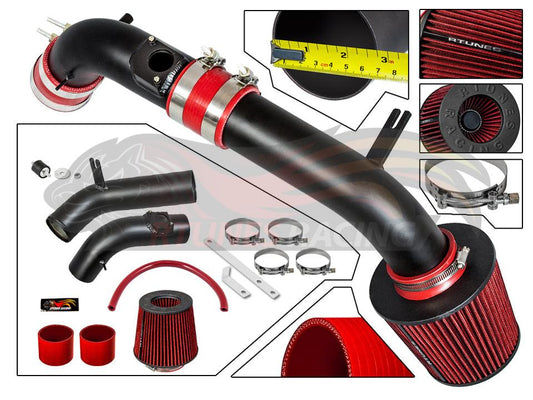
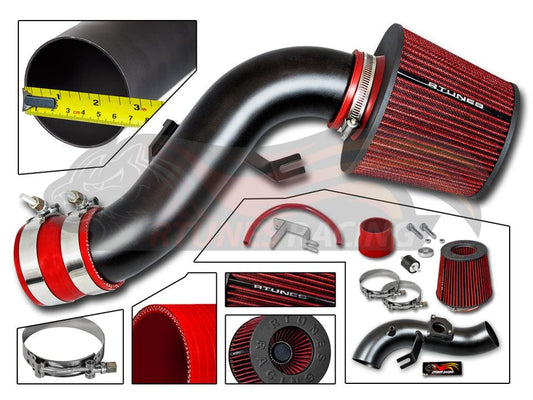
RSIShort Ram Air Intake
A compact engine-bay layout designed for simpler installation and stronger induction sound.
Learn More & Shop
RHI vs. RCI vs. RSI
Compare the layout and intended use of each Rtunes intake family.
| Family |
Design |
Best for |
Key consideration |
RHI
Heat Shield Air Intake |
Open cone filter walled off from engine heat by a vehicle-specific heat shield |
Daily drivers, trucks, SUVs and turbo cars that want cooler air without a complex install |
Mid-range price; 30–60 minute install, but costs more than a short ram for the added shielding |
RCI
Cold Air Intake |
Long intake tube relocates the filter away from the engine, typically into the fender well |
Drivers chasing the coolest possible intake charge and maximum top-end breathing |
Most involved install of the three; low filter placement means avoiding deep standing water |
RSI
Short Ram Air Intake |
Short, direct tube with the filter inside the engine bay |
Budget builds, tight engine bays, and anyone who wants the loudest intake sound |
Easiest install and lowest price, but the filter breathes warmer engine-bay air |
Popular Premium Air Intakes
Start with a few of our most popular intake applications.
Premium Air Intake FAQ
Answers to the most common questions before choosing an intake.
Which intake style should I choose?
Pick RHI if you want a heat-shielded filter in the engine bay with an easy 30–60 minute install — it's the best all-rounder for daily drivers, trucks and SUVs. Choose RCI (cold air) if you want the filter placed far from engine heat for the coolest intake charge. Go RSI (short ram) if you want the simplest install, the lowest price, and the most aggressive intake sound.
What's the difference between a heat shield intake and a cold air intake?
Both replace the restrictive factory airbox. A heat shield intake (RHI) keeps the filter in the engine bay but walls it off from radiant heat with a vehicle-specific shield. A cold air intake (RCI) uses longer piping to relocate the filter entirely — usually to the fender well — where the air is cooler. RHI installs faster; RCI typically draws cooler air.
How do I confirm an intake fits my vehicle?
Match your exact year, make, model, engine size (e.g., 5.3L V8) and trim against the fitment on the product page. If anything's unclear — transmission, sensor type, or a mid-year split like the 2007 Silverado Classic vs. new body style — contact us before ordering and we'll confirm.
Will an intake add horsepower?
An intake reduces restriction versus the stock airbox, which sharpens throttle response and usually frees up a few horsepower — but no honest seller can promise an exact number for every vehicle. Gains depend on your engine, supporting mods, and installation. What every driver notices immediately is the deeper intake sound under acceleration.
Do I need a tune after installing one of these intakes?
No tune is required — every Rtunes premium intake is a direct bolt-on that installs and runs on the factory tune. But if you want to fully utilize the kit and get its full performance potential, a tune is recommended.
Can I run one of these intakes in California?
It depends on the product and vehicle. Check the product page for current CARB EO status or geographic restrictions before ordering — some kits are not legal for sale or use in California and other CARB states.